ʻAha Pūnana Leo
Pilina First and associates have worked with ʻAha Pūnana Leo in varying capacities over the last 20+ years, advocating alongside and in support of its leadership
to advance their vision of E Ola ka ʻŌlelo Hawaiʻi, the Hawaiian Language Shall Live. Pilina First’s fluency in ʻōlelo Hawaiʻi, grounded in a fundamental understanding of a Hawaiian perspective and worldview, has made for a longstanding and mutually beneficial partnership.

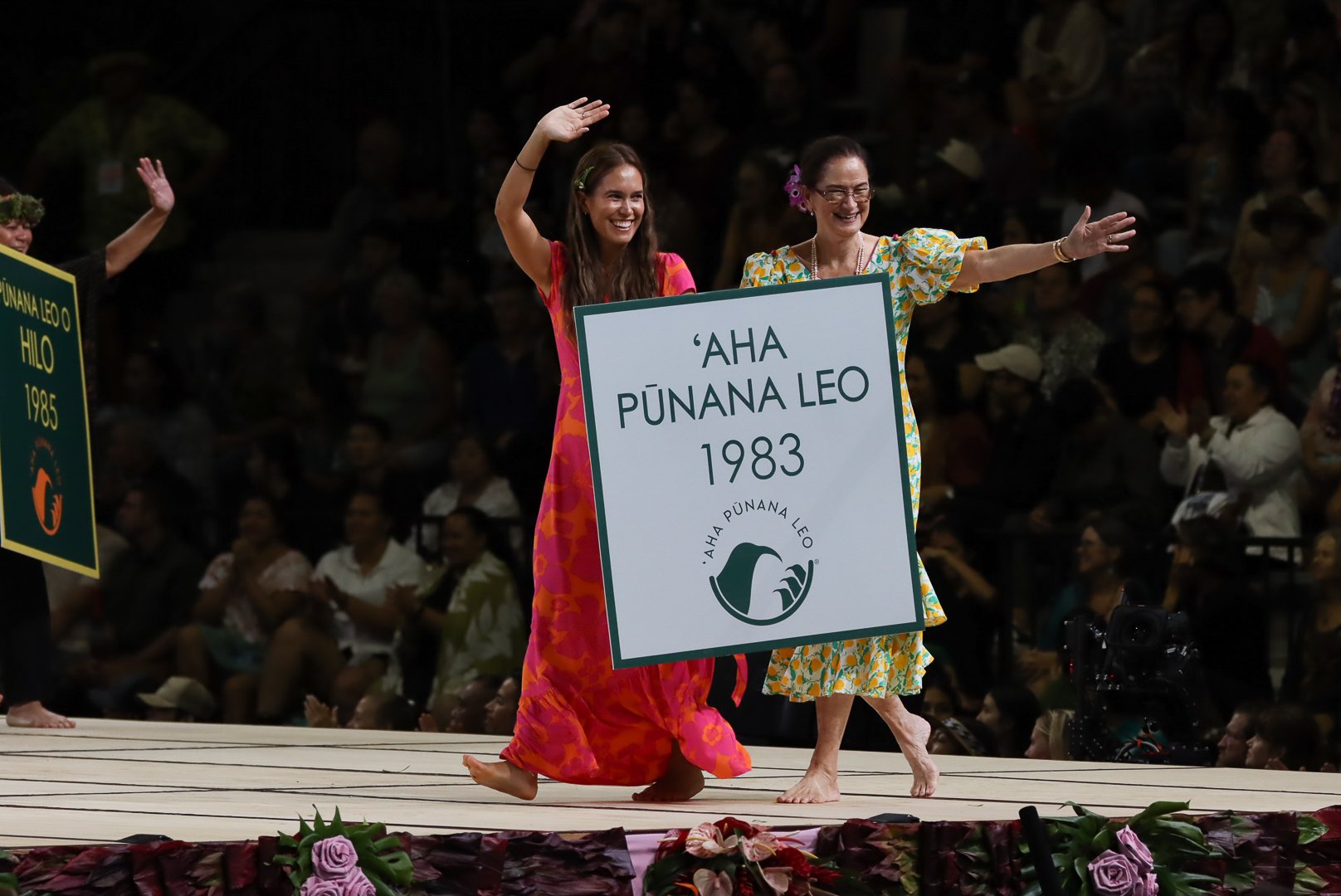
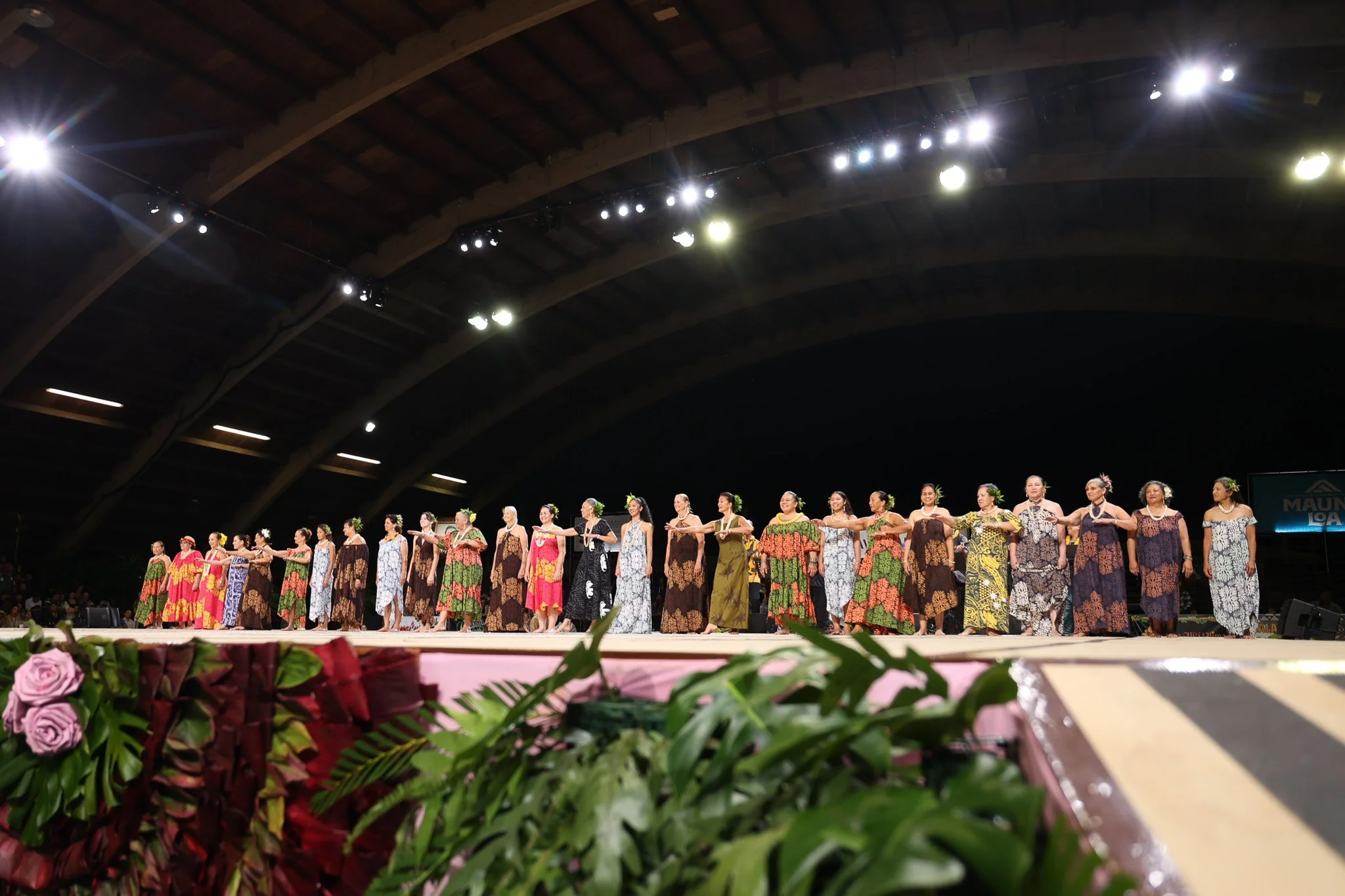
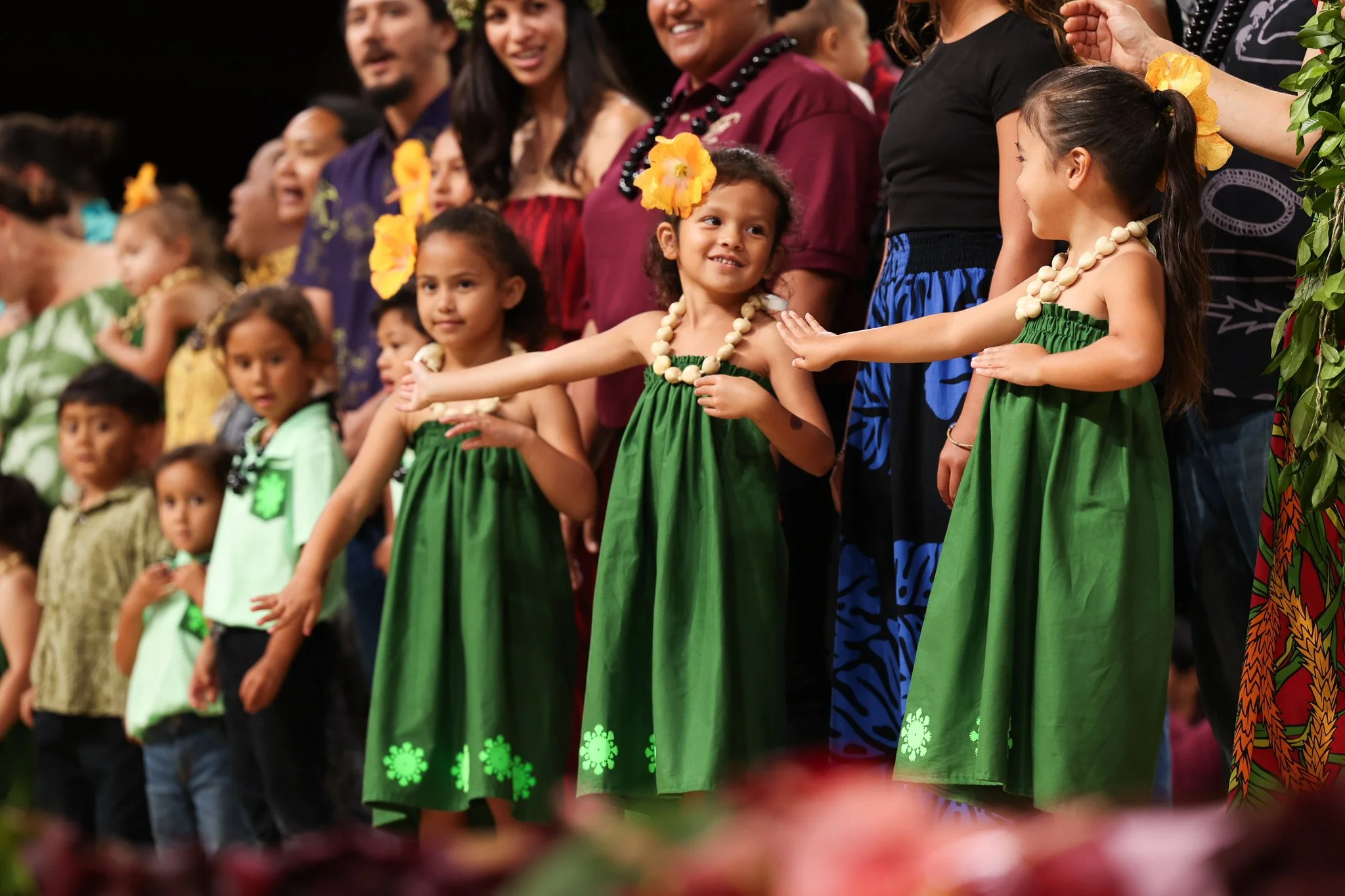
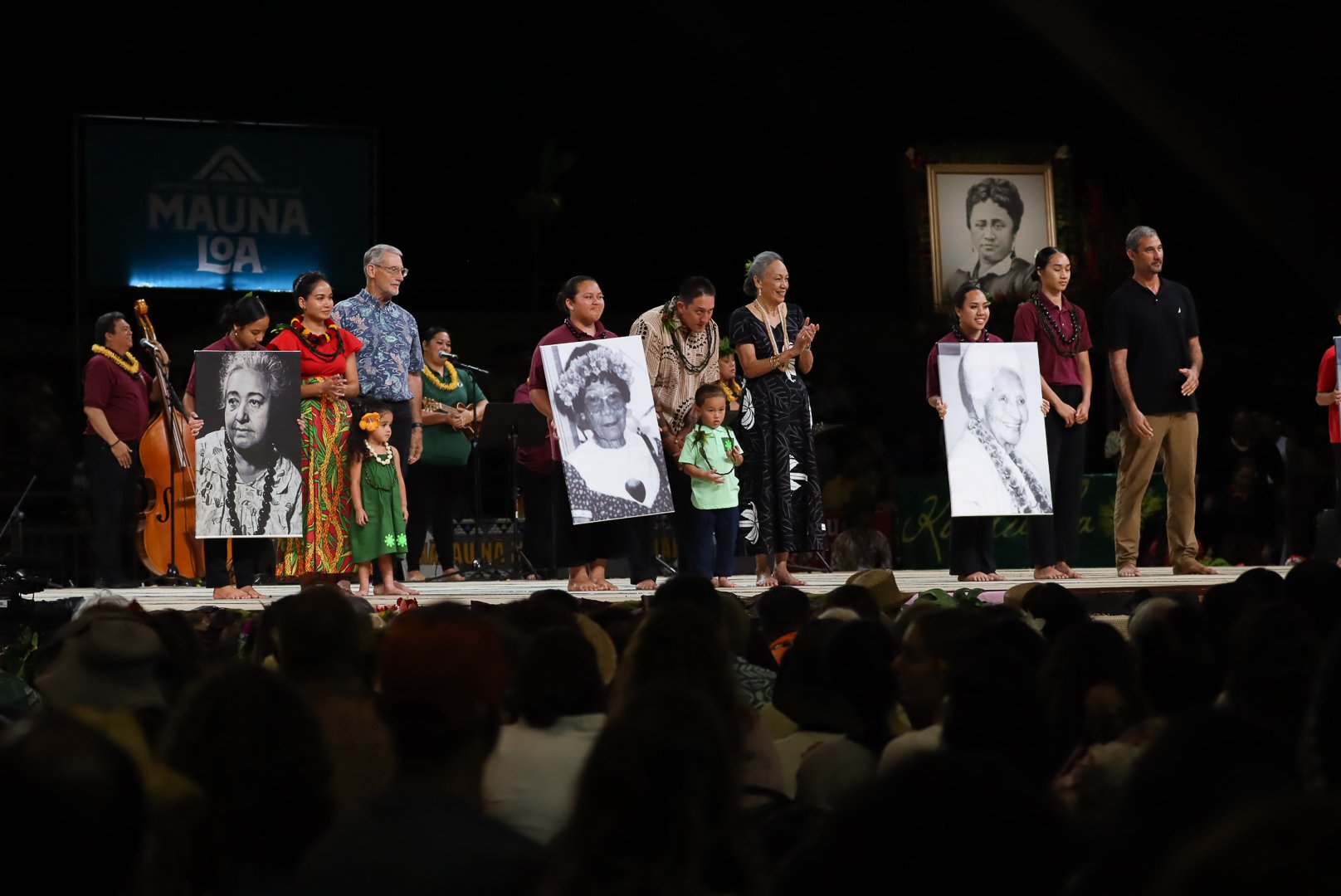
ʻAha Pūnana Leo has always strived to ensure that the Hawaiian Language lives. Rooted in its mission to drive and inspire change to ensure a living Hawaiian language in Hawaiʻi and beyond, the organization is dedicated to the people they serve. ʻAha Pūnana Leo spans across 13 different locations throughout the Hawaiian islands and has three unique programs.
Pūnana Leo means “nest of voices” and depicts the dominant learning method in these centers as students are “fed” solely their native language and culture much like the way young birds are cared for in their own nests. The first of these preschools was established in Kekaha, Kaua‘i in August 1984. The following year, schools were established in Hilo, Hawai‘i and Honolulu, O‘ahu and continued to spread to other islands thereafter.
‘Aha Pūnana Leo is closely tied to the Māori Kōhanga Reo movement in New Zealand. Indeed, the name Pūnana Leo, which is equivalent to the Māori term Kōhanga Reo, honors those connections and the inspiration provided by the Kōhanga Reo.
Today, a complete preschool through doctoral-level system of education in the state of Hawai‘i is taught entirely through Hawaiian.
Kaʻau Hua, Kaʻau Ola - 40th Anniversary Celebration
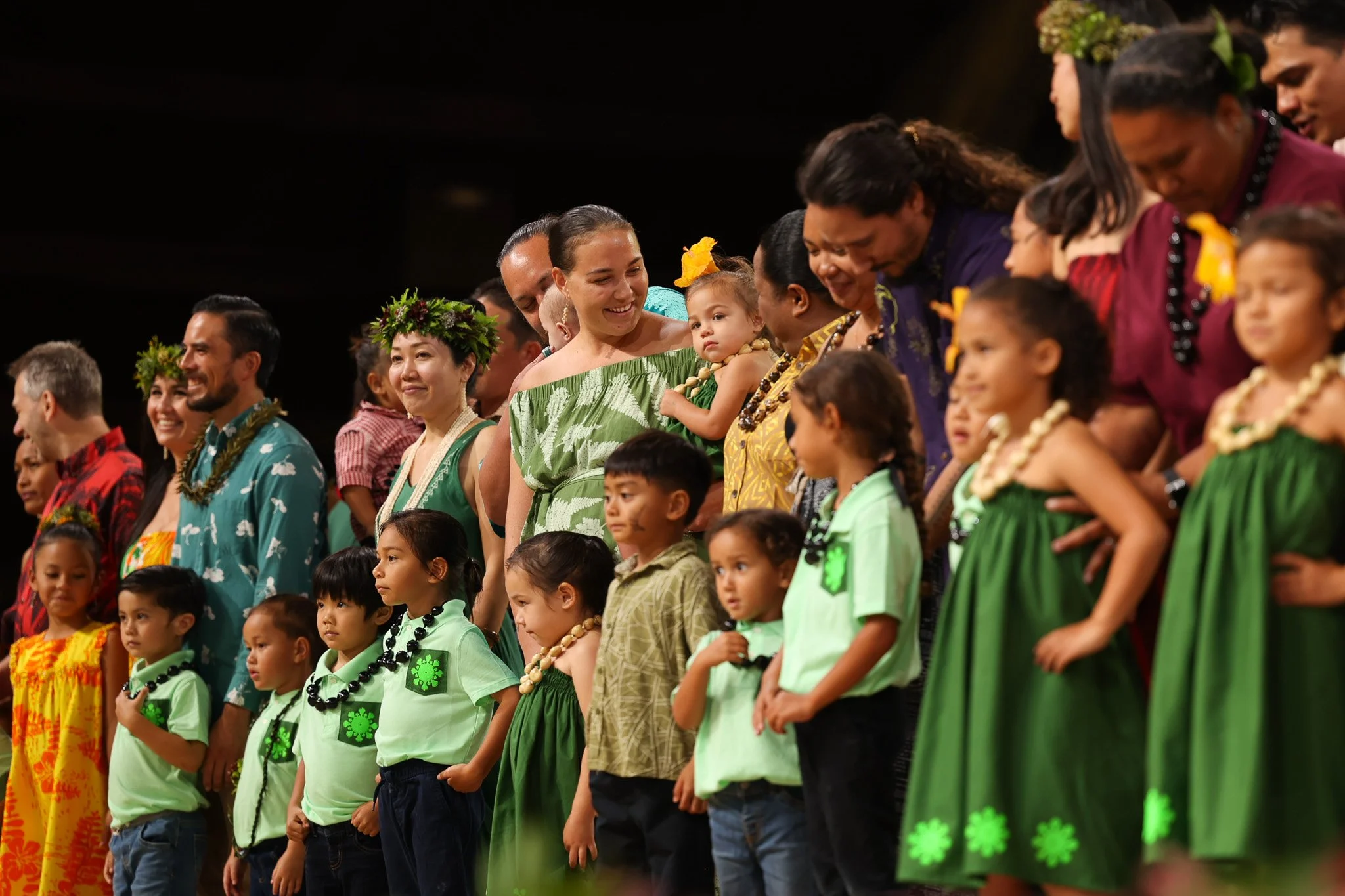
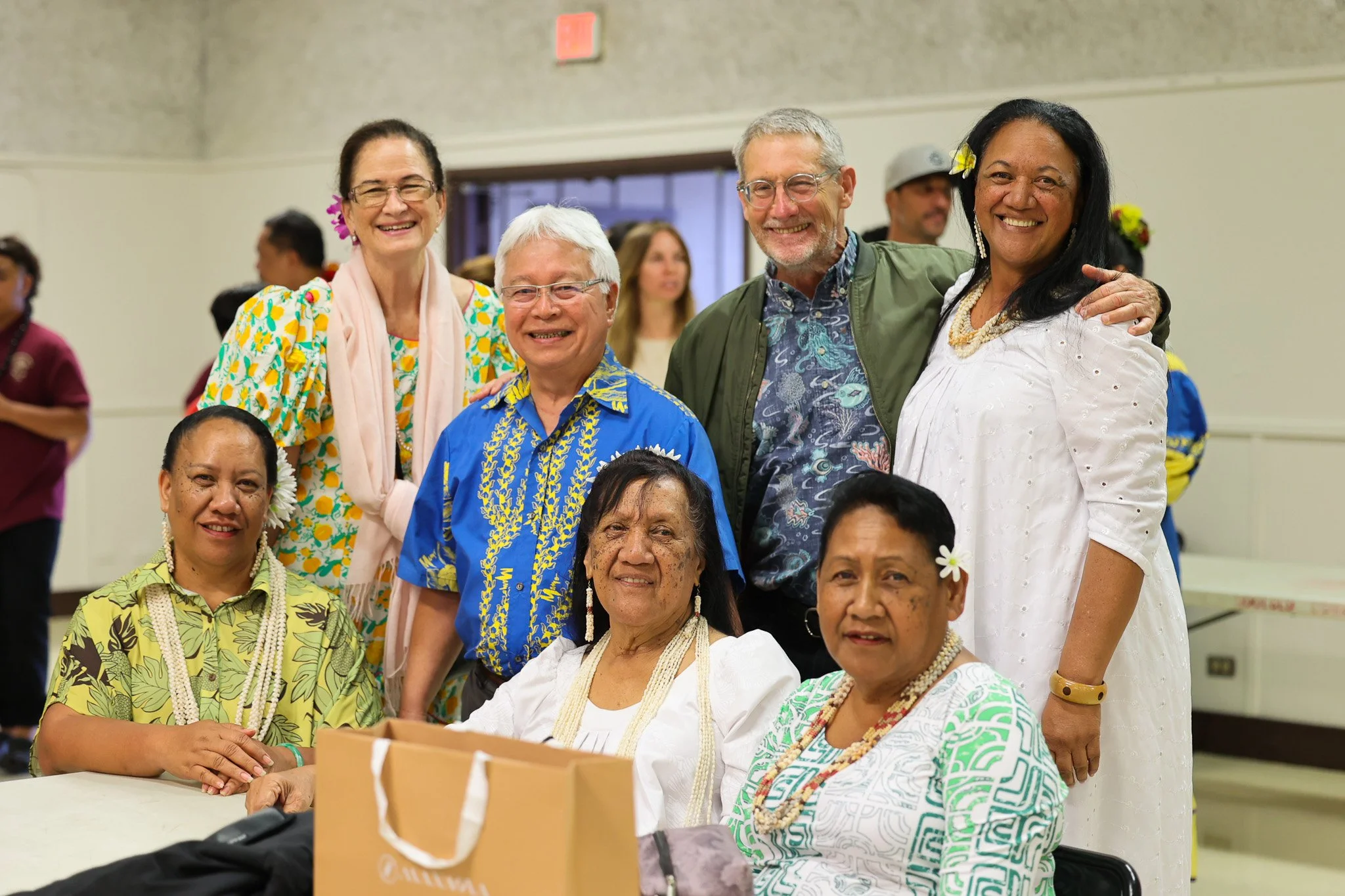
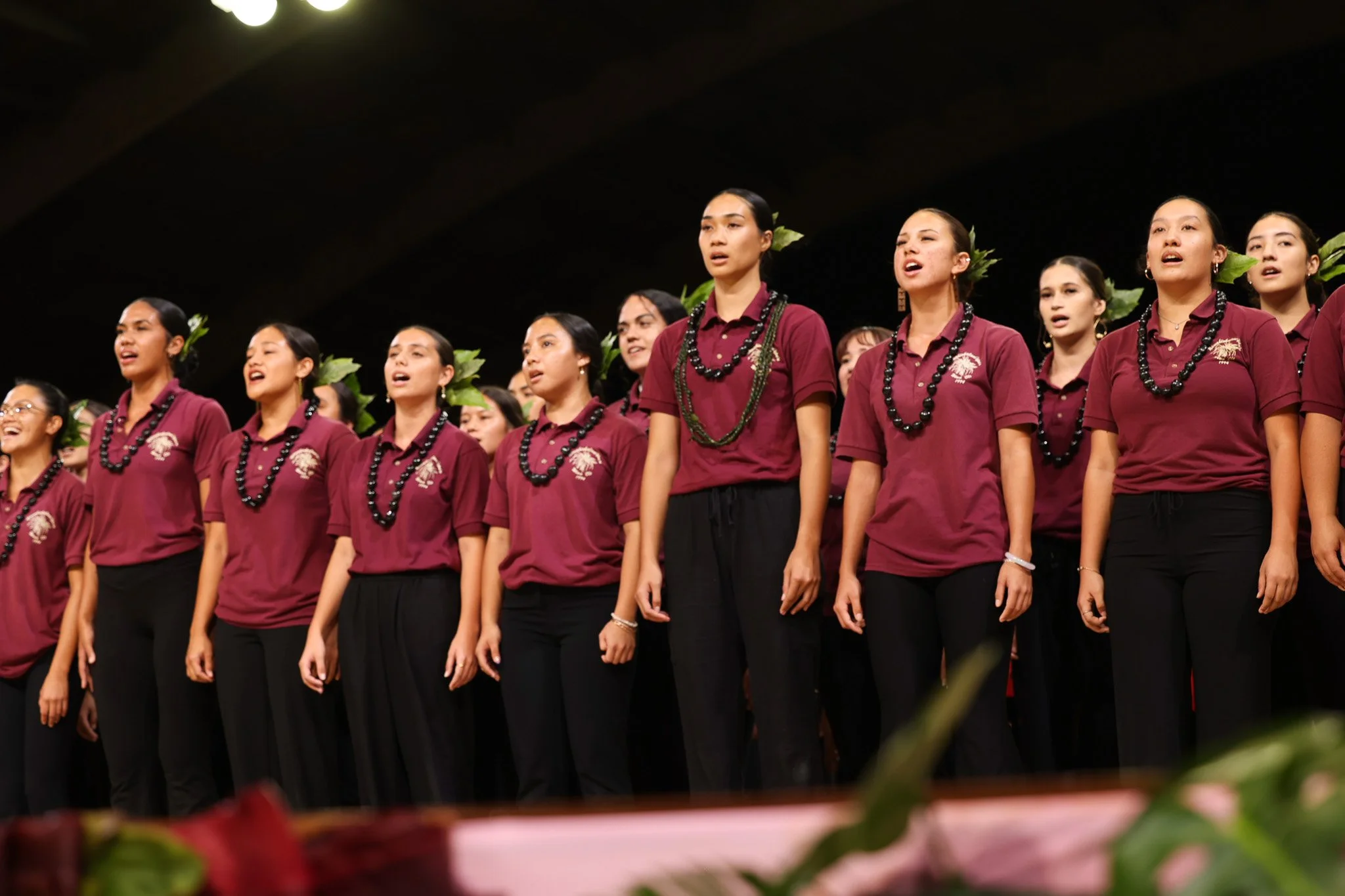
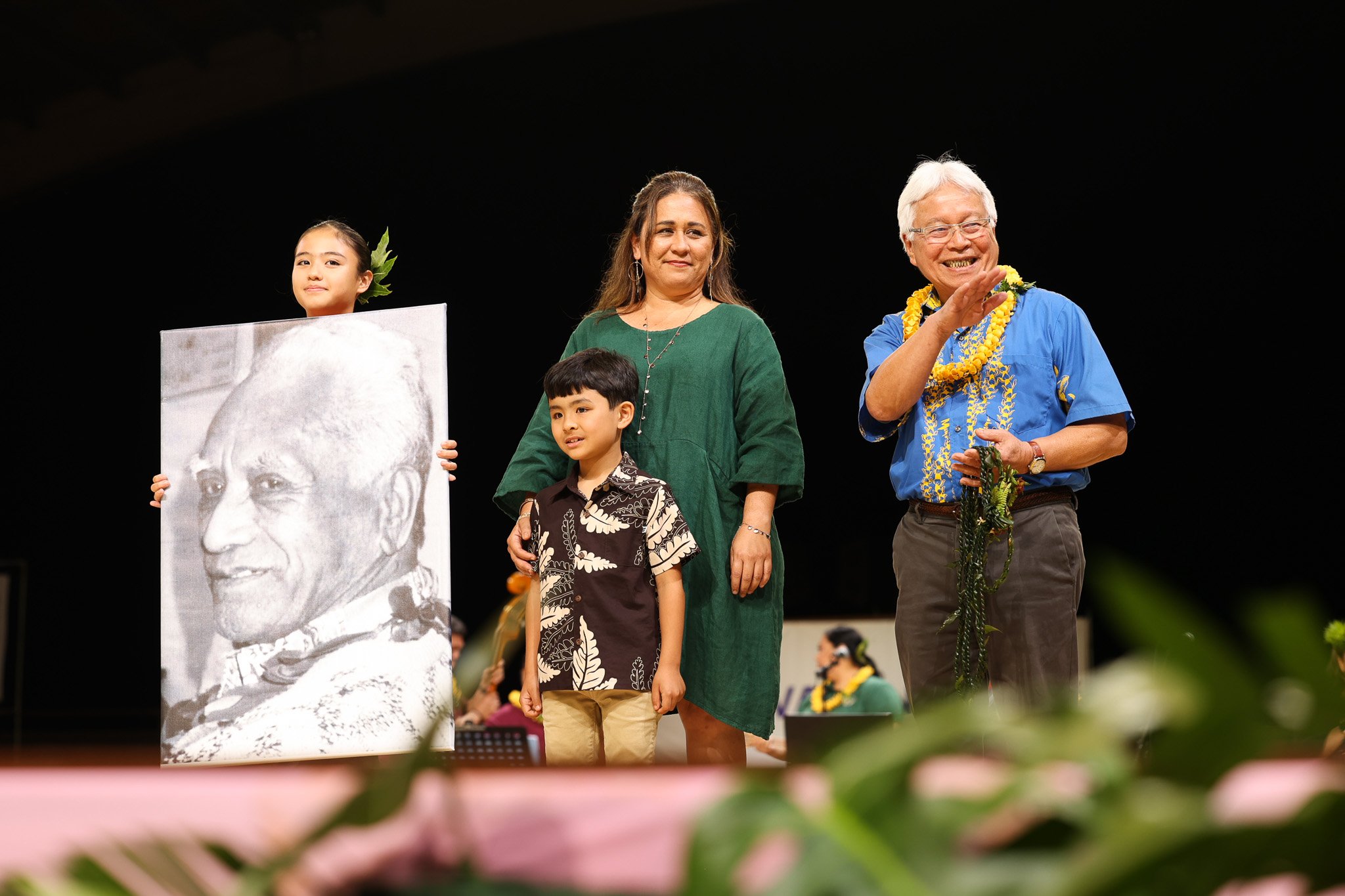
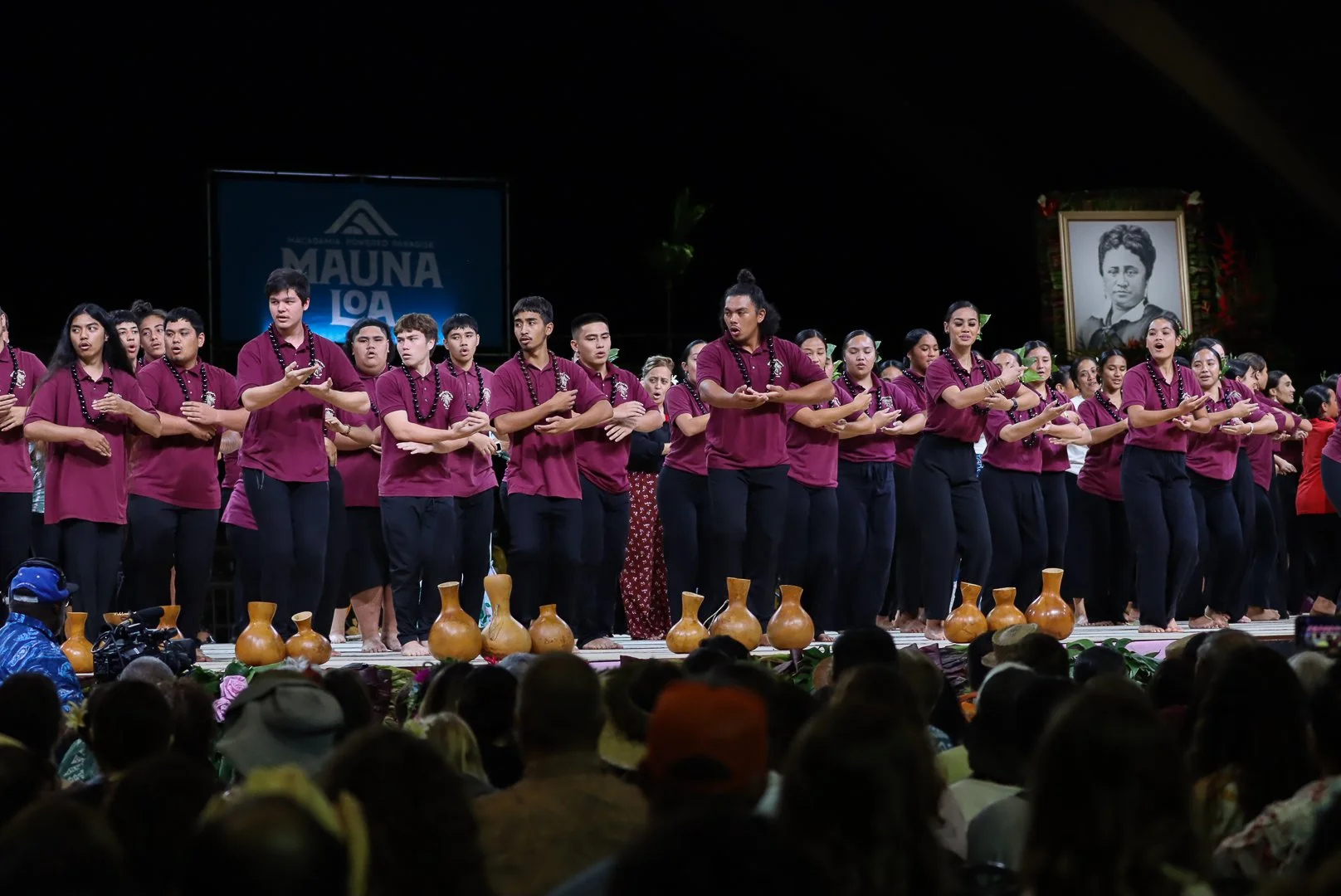
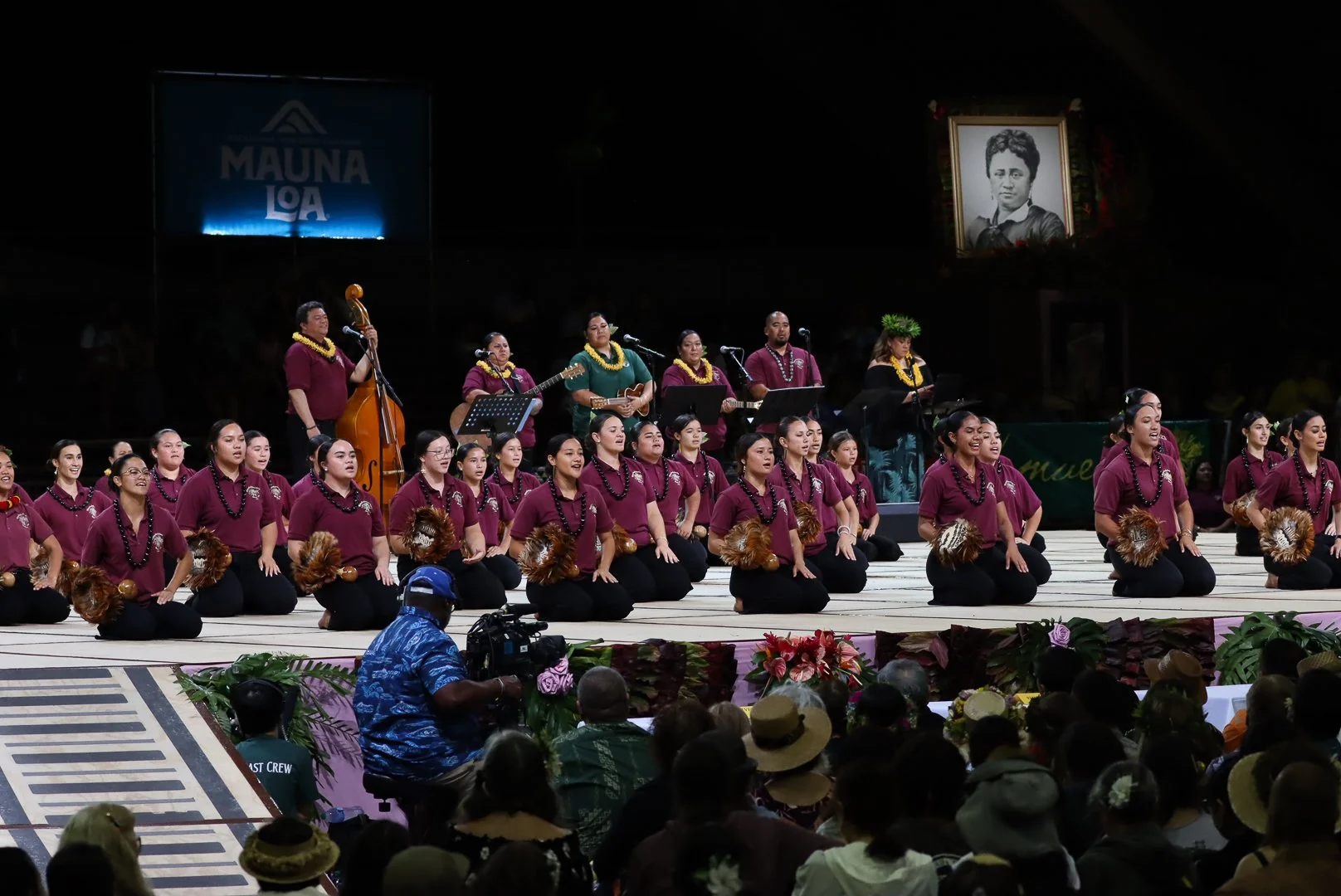
In 2024, Pilina First produced Kaʻau Hua, Kaʻau Ola, the Wednesday night hōʻike of the Merrie Monarch Festival, in partnership with Kahuli Leo Leʻa. The performance honored the 40th anniversary of ʻAha Pūnana Leo, celebrating four decades of leadership in the Hawaiian language revitalization movement. Featuring hundreds of participants—from Pūnana Leo preschoolers and their makua, to ʻōpio and kumu from Nāwahīoaklaniʻōpuʻu, the kumu and ʻōlapa of Hālau Nā Pualei o Likolehua to revered kūpuna—the program wove together mele, hula, original compositions, and narration to tell the story of a movement that restored ʻōlelo Hawaiʻi to homes, schools, and communities across the paeʻāina. The show highlighted the intergenerational impact of language immersion education, honored foundational kūpuna and leaders, and uplifted graduates and families who embody the living legacy of this work.